

Vintage vs. Non-Vintage Champagne: A Complete Guide
Bijgewerkt op: 6 jun
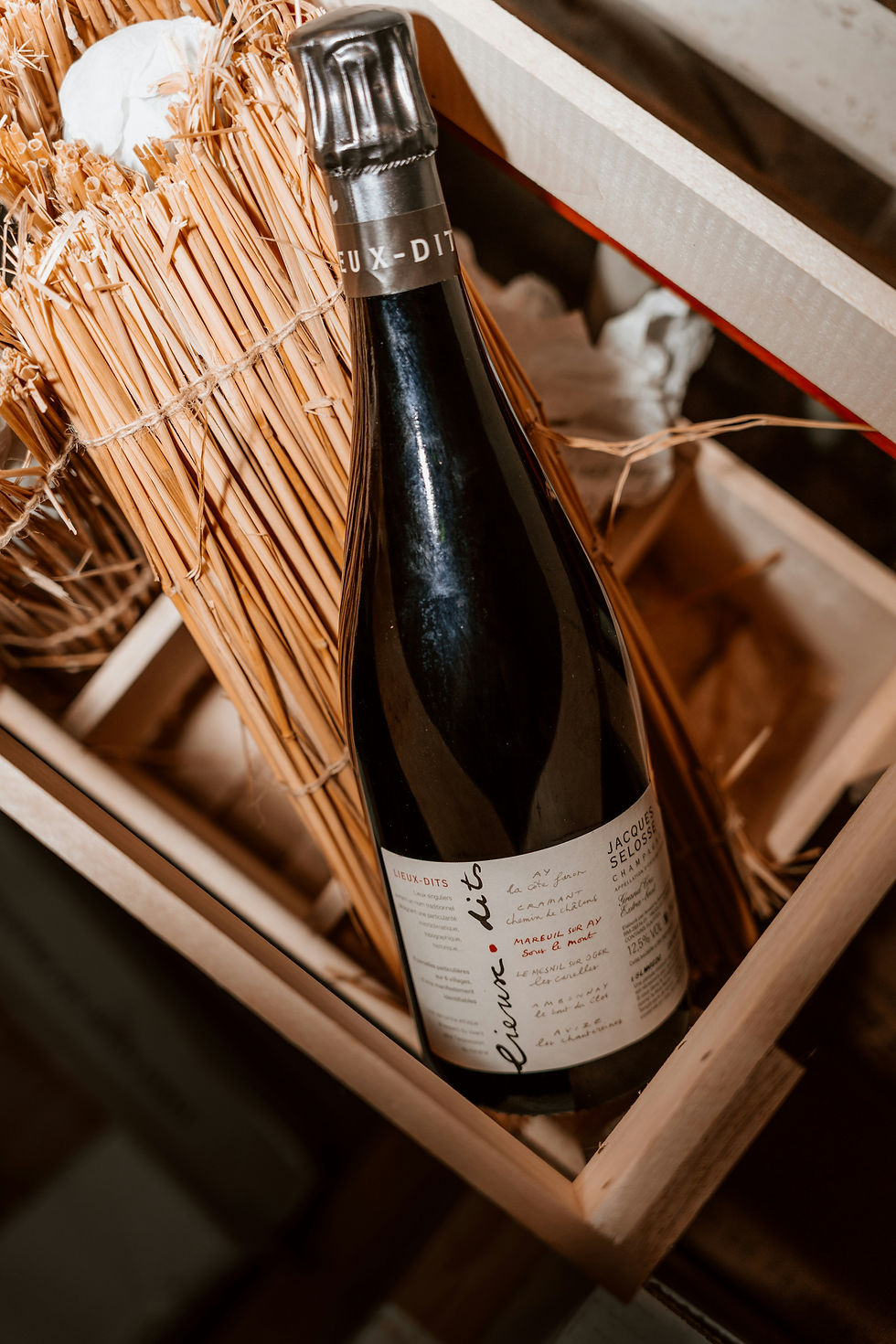
Walk into a champagne shop and pick up almost any bottle. There is a good chance it has no year printed on the label. Now find a bottle that clearly displays a vintage year, like 2016 or 2018. These are two fundamentally different wines, made with different philosophies and meant for different moments.
Understanding the distinction between vintage and non-vintage champagne is one of the most important things you can learn as a champagne drinker. It is not about which is better, because both styles are excellent and both deserve a place in your cellar. It is about understanding what you are buying, what the producer was trying to accomplish, and how to choose based on what you actually want to drink.
At The Champagne Fox, we carry both styles because both stories matter. The story of consistency and craft that non-vintage tells, and the story of a specific moment in time that vintage champagne captures.
Non-Vintage Champagne: The Art of Blending
Non-vintage champagne, often abbreviated as NV, is made from a blend of grapes from multiple vintages. The current year's harvest is the primary component, but the winemaker also draws on reserve wines from previous years, sometimes going back several years. The blend might contain juice from 2023, 2022, 2021, and even 2020.
This is not a limitation or a shortcut. This is intentional artistry. The ability to maintain a recognizable house style year after year, despite the inevitable variables that each vintage brings, requires deep knowledge, good instincts, and disciplined cellar management. When a producer blends in older vintage wine, they are making a deliberate choice: this year's harvest had some challenge, so we are drawing on our reserves to create something balanced and consistent.
Most champagne you drink will be non-vintage, and that is exactly as it should be. NV champagne is designed to be accessible, approachable, and ready to drink immediately. It is your Tuesday bottle, your go-to for any occasion that calls for bubbles. You do not need to age it or wait for the right moment. You simply open it, pour a glass, and enjoy.
The consistency of NV champagne is its strength. You know what you are getting. Whether you buy a bottle today or in three years, a quality producer's NV Brut will taste essentially the same: balanced, elegant, delicious. That reliability is valuable.
Vintage Champagne: A Year Frozen in Time
Vintage champagne is made from grapes harvested in a single year, a year the producer considered exceptional enough to warrant special treatment. When you see a year on a champagne label, you are holding something specific and limited: champagne that represents one particular harvest, one particular expression of one particular place in one particular moment.
A producer does not declare a vintage in every year. Some years the conditions are not special enough. Some years frost or hail damage the vines. Some years the harvest is late or early, affecting ripeness and character. Declaring a vintage is the producer saying: "This year was exceptional. This deserves to be tasted on its own."
The minimum aging requirement for vintage champagne is 36 months on the lees. Many growers exceed this significantly, aging their vintages for five, six, or even ten years before release. This extended time spent in contact with the spent yeast develops richness, complexity, and that toasty, biscuity character that distinguishes aged champagne from younger wines.
Vintage champagne is more expensive than non-vintage, in part because of the longer aging, in part because it represents a single exceptional year, and in part because it has more aging potential. You are not just buying champagne, you are buying the concentrated expression of a specific place and moment.
The Taste Difference
Here is what you need to know: non-vintage and vintage champagne can taste quite different, even from the same producer.
Non-vintage tends to be fresher, brighter, more fruit-forward. The primary aromas are citrus and green apple. The acidity is pronounced. The wine tastes refreshing and approachable. It feels young because it is young, released at or near the minimum aging requirement.
Vintage champagne, especially if it has been aged longer before release, tends to taste richer, more complex, more developed. You find biscuit and toast character, nutty notes, sometimes a touch of oxidative complexity. The acid is still present but feels integrated into the wine rather than standing apart. The wine feels mature and considered.
Neither profile is superior. But they are distinctly different experiences. A brisk non-vintage Blanc de Blancs will feel austere and mineral compared to a vintage Blanc de Blancs that has been aged for years. The vintage will taste rounder, richer, more food-friendly. But that brightness and purity that makes the non-vintage so refreshing will be muted.
The best approach is to taste both and discover which you prefer in which context. You might find that you love non-vintage for weeknight enjoyment and special dinners, and vintage for aging and for moments when you want deeper complexity.
Price and Value
This is a practical question: is vintage champagne worth the extra money?
The honest answer is: it depends. If you are a beginning champagne drinker, vintage is not necessary. Excellent non-vintage champagne will teach you far more about champagne than expensive vintage. Spend your money on breadth, trying different styles and different producers, rather than on older vintages.
As your knowledge grows and your palate develops, vintage becomes more interesting and more worthwhile. You have enough experience to appreciate the differences. You understand what you are tasting when you taste complexity and depth. Vintage champagne becomes a collector's pleasure rather than a beginner's essential.
The prices are higher for vintage, sometimes significantly so. Some prestigious vintages command premium prices that may not reflect dramatic quality differences from non-vintage. Other vintages represent genuine value, especially lesser-known producers making excellent vintage wine at reasonable cost.
Our recommendation: buy non-vintage regularly, taste widely, and when you find a vintage year and producer you absolutely love, buy it and set aside some bottles for drinking and aging.
Aging Potential and Cellaring
This is where vintage champagne shines: the ability to develop beautifully over years and decades.
Non-vintage champagne is ready to drink on release and does not improve significantly with age. The quality remains stable, but you are not gaining complexity or development by waiting. If you buy NV, drink it within a few years of purchase, while it is still fresh and vibrant.
Vintage champagne is different. A good vintage ages beautifully for 5-15 years or longer, depending on the wine. The flavours deepen. New complexity emerges. The wine becomes more integrated, the acidity feels more balanced, the toasty character becomes more pronounced. A vintage champagne that is drying and austere when first released might blossom into something more rounded and elegant after five years in a cool cellar.
The ability to age champagne is remarkable. While most wines start declining after a certain point, excellent vintage champagne can remain in prime drinking condition for decades. We have tasted 30-year-old champagnes that were still vibrant and complex.
If you are building a collection, vintage champagne is what you lay down for future enjoyment. Select vintages you love, find a cool, dark place to store them (on their side, in a consistent temperature between 10-13°C), and let time do its work.
Which Should You Choose?
For everyday drinking, non-vintage is the obvious choice. It is delicious, accessible, consistent, and you do not need to overthink it. Pour a glass, enjoy the moment, move on.
For special occasions, you can go either way. Non-vintage works beautifully for celebrations, anniversaries, and milestone moments. You do not need vintage to make a moment special. The occasion makes it special.
For food pairing, vintage champagne has an advantage. The depth and complexity created by extended aging makes vintage more food-friendly than the sometimes austere quality of fresh non-vintage. If you are planning a serious dinner, vintage is often the better choice.
For investment and collecting, vintage is what you focus on. Non-vintage has limited shelf life and no appreciation potential. Vintage champagne from good producers in great years can develop beautifully and become increasingly rare as other collectors drink their bottles.
For learning and tasting, start with non-vintage and progress to vintage as your knowledge develops.
Building Your Champagne Collection
A balanced collection contains primarily non-vintage champagne for regular drinking, with some vintage bottles set aside for special occasions and aging. You might keep several NV Bruts in different styles, a Blanc de Blancs, a Blanc de Noirs, maybe a prestige cuvée from a producer you adore.
Then, as you find vintage years you love, add one or two bottles to your collection. Set them aside and forget about them for three or five years. The pleasure of opening a bottle you have been aging is one of the great joys of wine collecting.
The key is intentionality. Do not buy vintage just because it is there. Buy it because you love the producer, or because you want to taste a specific year, or because you want to see how the wine develops over time. That intention transforms vintage from a luxury purchase into a genuine pleasure.
Frequently Asked Questions
What does it mean when a champagne has no year on the label?
A champagne without a vintage year is non-vintage (NV), made from a blend of grapes from multiple vintages. This allows the producer to maintain a consistent house style year after year. Most champagne sold is non-vintage.
Is vintage champagne always better than non-vintage?
No. Both styles are excellent, just different. Vintage represents a specific year and is meant for aging. Non-vintage is consistent and ready to drink immediately. Which is "better" depends entirely on what you want and when you want to drink it.
Why does vintage champagne cost more?
Vintage champagne is made from a single exceptional year, requires minimum 36 months aging (often much longer), and has aging potential. The limited quantity, longer production time, and collector appeal all contribute to higher prices.
How long should I age vintage champagne?
This depends on the wine. Most vintage champagnes benefit from 5-10 years in a cool cellar before reaching optimal drinking window. Some can age for decades. The best approach is to drink one bottle relatively young to understand its current state, then set others aside for later.
How should I store vintage champagne?
Store on its side in a cool, dark place at consistent temperature (ideally 10-13°C). Avoid temperature swings and direct light. Horizontal storage keeps the cork moist and prevents it from drying out. Proper storage is essential for aging potential.
Can I age non-vintage champagne?
Non-vintage champagne is not meant for aging and does not develop complexity over time. It remains relatively stable in quality but does not improve. If you buy NV, drink it within a few years of purchase.
What vintage years should I look for?
Recent excellent vintages in Champagne include 2015, 2014, 2012, 2009, and 2008. However, vintage quality varies by producer and sub-region. Ask your champagne specialist which years they recommend for your preferred style and producer.


